
What Youth Soccer Development Actually Looks Like
Development can’t be limited to qualitative and subjective observations. There have to be quantitative and objective elements.
Thony
4/3/20265 min read
Hey friends,
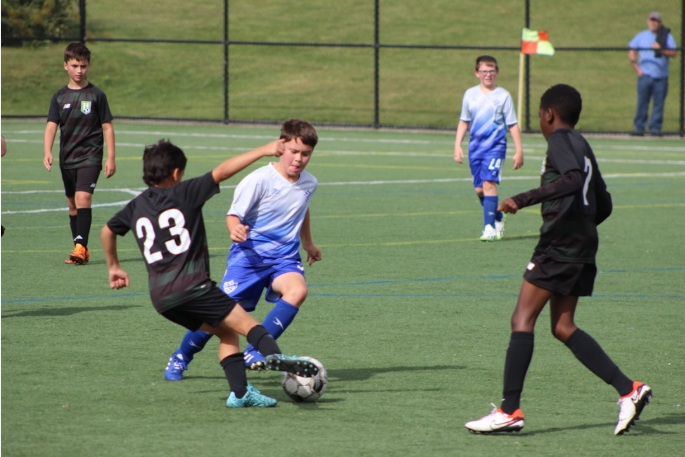
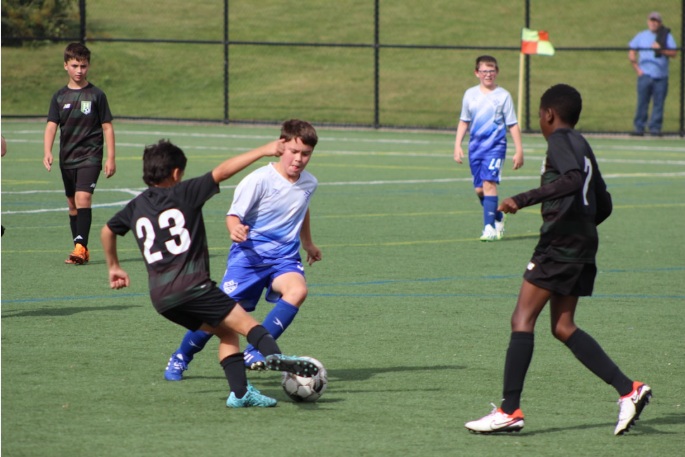
Many parents and soccer players feel unsure how to define “development.” Is it the number of goals scored? Playing time? Tryouts? Some clubs tend to emphasize rankings and other bragging points. Unfortunately, when the answers are all over the place, it creates confusion and second-guessing. Let’s clarify the concept.
According to Bobby Howe, “There is no magic formula or short cut to successful player development. Coaching at youth levels is all about working with players to improve performance, not about recruiting players to build teams and win championships. Soccer is a player’s game and players should be considered first when political, administrative and coaching decisions are made.”
Bobby Howe is a former British Premier League professional player whose notable achievements include serving as the U.S. Soccer Director of Coaching, the U.S. U-20 men's national soccer team manager, and the 2016 recipient of the “Dr. Thomas Fleck, US Youth Soccer Excellence in Coaching” award.
Like Bobby Howe, we believe that there is no magic formula for player development, and it is not defined by winning youth championships, rankings, or immediate game results. However, if development is a process of improving players and adopting a long-term outlook, it can’t be limited to qualitative and subjective observations. Because improvement implies growth, there must be quantitative and objective elements to measure development.
At Advance Soccer USA, we have conceived the “Complete Player Framework” (CPF) to clarify and guide youth player development. Our CPF focuses on developing “Complete Players” by objectively improving five characteristics. These characteristics are:
Technical ability: a player’s comfort and control with the ball. Excellent players can receive, pass, dribble, and shoot with precision and confidence even under pressure.
Tactical understanding: a player’s ability to read the game and make intelligent decisions. It involves recognizing space, anticipating play, and choosing the right action at the right moment.
Physical ability: speed, agility, balance, strength, and endurance needed to perform at a high level. These qualities allow players to execute skills effectively while keeping up with the demands of the game.
Mental strength: the resilience and focus that allow players to stay composed through mistakes, pressure, and setbacks. Strong players maintain confidence, discipline, and a growth mindset as they continue to improve.
Creativity: the ability to see and attempt solutions others might not notice. Creative players are comfortable experimenting, adapting to unpredictable situations, and expressing themselves through the game.
By focusing on the CPF, you can track improvement, even when game results don’t go your way. Development is a process, and the key is knowing what to look for this week, not next season.
Here is a simple way to start. This week, watch your child during a practice or game and ask: “Did my child try something new today?” Whether it’s a tighter first touch, a different pass, or scanning before receiving, trying new behaviors can be a positive sign of growth.
If this resonated with you, forward it to another parent or player. By spreading clarity in our soccer ecosystem, we are spreading confidence.
For more resources on the "Complete Player Framework" development, visit our Player Development Zone.
See you next time!

AROUND THE YOUTH SOCCER WORLD
Each week, we’ll bring you relevant insights so you don’t have to search for them.
The Good, the Bad and the Ugly of the College Transfer Portal... Bottom line: The portal is getting bigger, and it’s the new #2 pipeline after high school recruiting; by Pat Grecco, Eastern New York and Long Island Junior Soccer League Hall of Famer... Read more
80 players from the Central and Northeast regions, all born in 2012, will gather from April 2-6, 2026, at McCurry Park in Fayetteville, Ga for U.S. Soccer’s third and final regional mini-camp of 2026 for the Under-14 Boys’ Talent Identification Program... Read more
The Girls Academy Advisory Panel is a unique player-led group made up of representatives from every team across all clubs in the league. It is a pathway for players to share their voices and directly contribute to creating positive change within the GA... Read more


COMPLETE PLAYER DEVELOPMENT ZONE
The Player Development Zone is the place where players and parents take control and ownership of the path towards becoming complete players.
Each week, resources will help you design individual development plans tailored to your specific areas of improvement.
RESOURCES FOR THIS WEEK










ADDITIONAL 5-STAR RESOURCES
Ready to dive deeper with more soccer resources and training tools? Visit our ASU 5-Star Resources page to explore our full library of articles, guides, and resources.
This is your go-to hub for development support
(4) Mental Strength
Why You Panic in Games (But Feel Great in Training)
Source: LB Performance, Frank Lee
(5) Creativity
How to improve as a creative midfielder (Advice from Arsenal pros)
Source: Unisport
THIS WEEK'S POLL QUESTION
Love of the game
Which area does your child enjoy training the most?
Technical drills
Small-sides games
Fitness & movement
Creative play
We'll share the results of the poll in our next issue!
Last week’s poll results
What do you care about most after your child plays a game?
Enjoyment & confidence – 40%
Individual improvement – 30%
Playing time – 20%
Team result – 10%
Thank you for reading this week’s Advance Soccer Brief. See you next time!
— Thony and Kevin
Advance Soccer USA
P.S. We like to think we’re doing a good job—but we know we’re not perfect. Got feedback on the newsletter? We’d love to hear it! Just hit reply or email us at newsletter@advancesoccerusa.org.
©The Advance Soccer Brief, the official newsletter of Advance Soccer USA.